A Gentle Question to Ask Over Thanksgiving: Where's the Important Stuff?
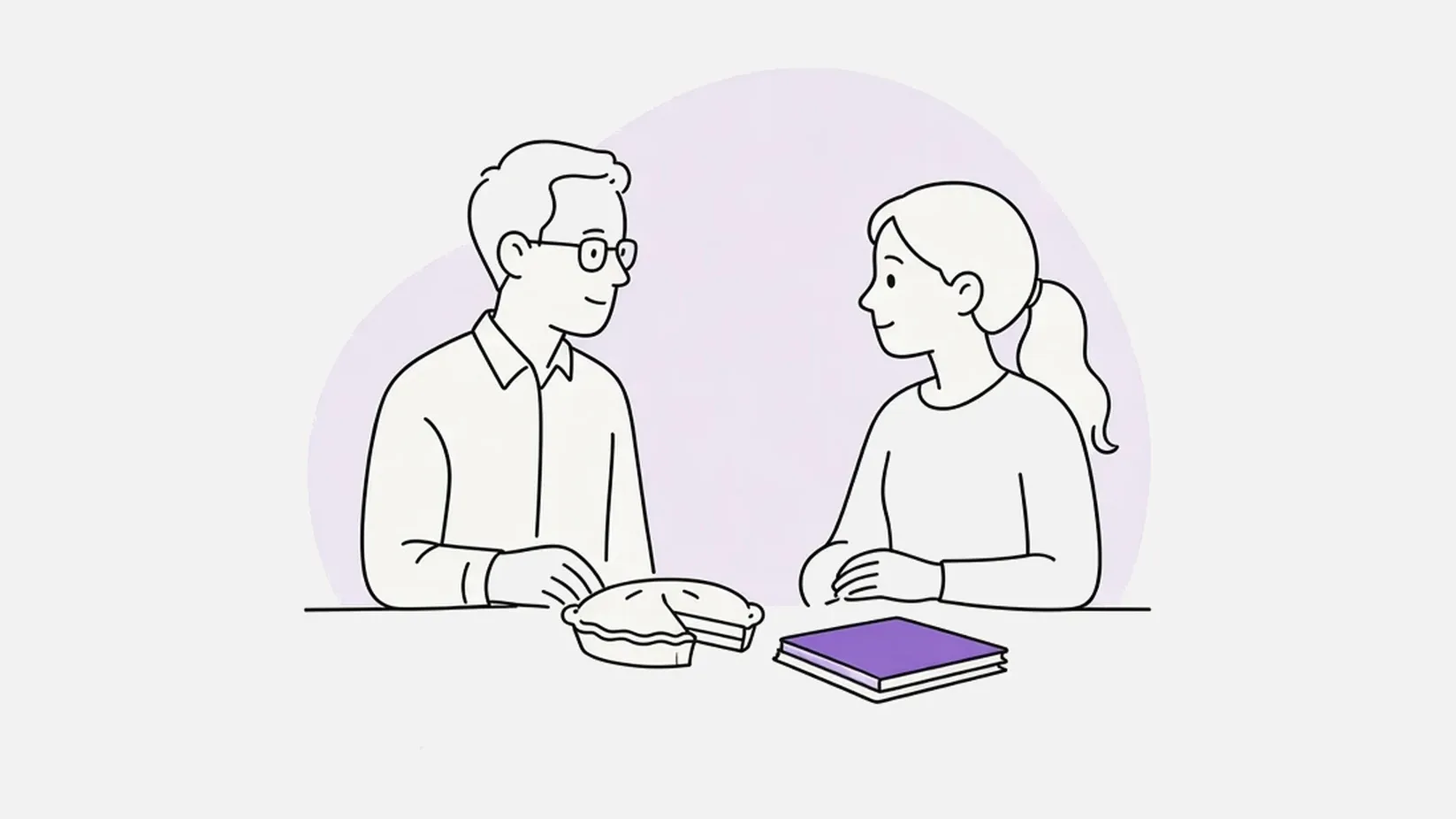
The Thanksgiving table is one of the few times in the year when the same people are in the same room, with time to talk about more than plans and traffic.
Most of that talk should stay light. There is, though, one practical question that is much easier to ask in person than in a later phone call, and it doesn't have to make the room go quiet:
If we ever needed it, where would we look?
Not "what are your passwords." Not "who gets what." Just where the important stuff lives, and who already knows.
Why "where" is the better question
Passwords change, and asking someone to hand them over can feel like a loss of control. "Where" is gentler, and often more useful. It might be a drawer, a notebook, a folder on a computer, or a vault that only opens if it's needed. The point is that someone you trust could find the starting point, without being given everything today.
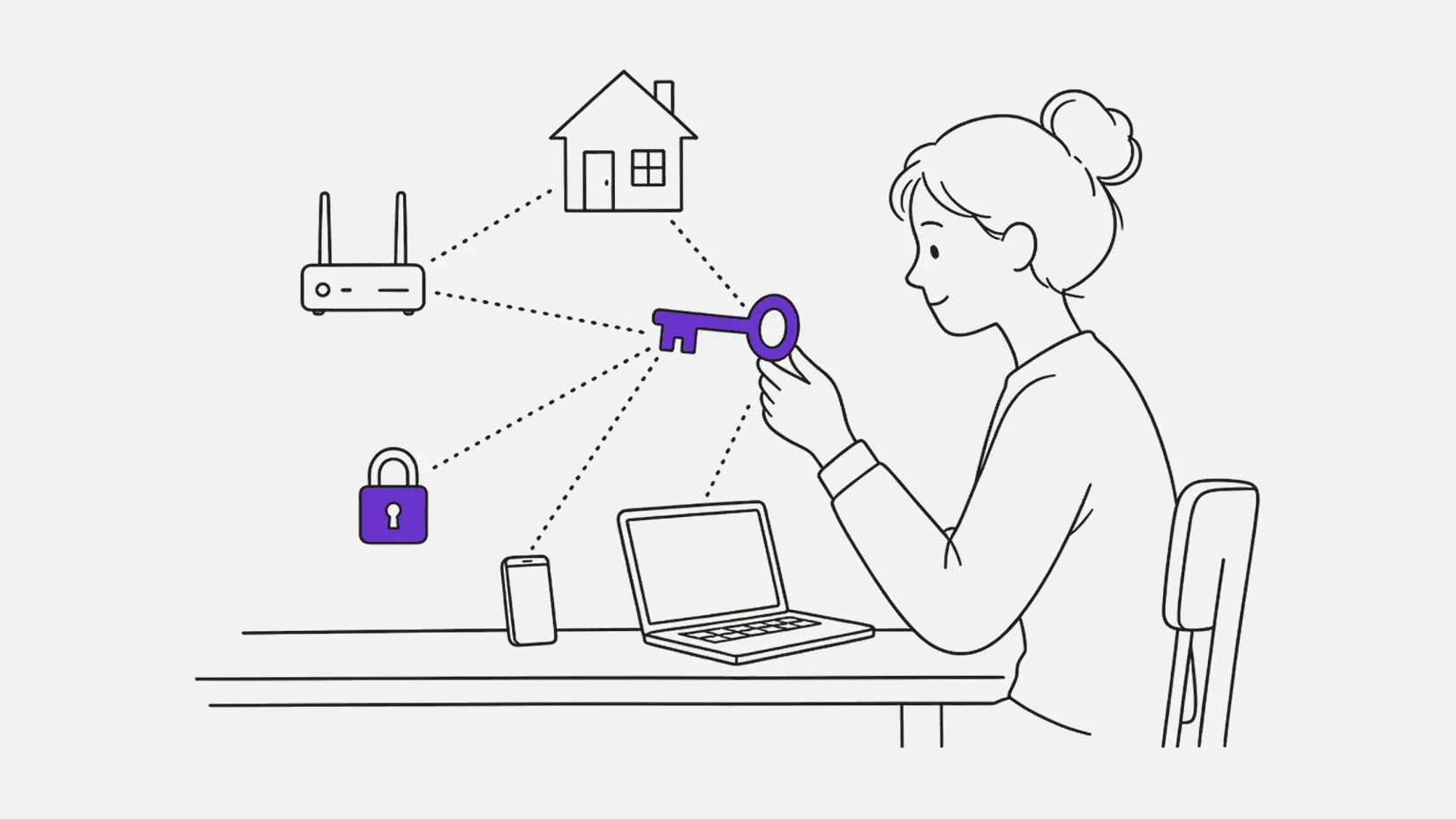
This is especially true in households where one person is the unofficial Family IT Admin: the one who knows the logins, the bills, the school portals and where the important paperwork is kept. If that person is you, the Thanksgiving table is a good moment to tell someone else where to begin. If it isn't you, it's a good moment to ask.
A familiar kind of afternoon
Imagine Maya, 38, at her parents' house for Thanksgiving. The dishes are in the sink, a football game is on in the other room, and her dad has just mentioned, not for the first time, that he should really write some of this down.
Maya doesn't ask for his passwords. She says, "If something came up and we couldn't reach you, where would we start? I don't need the details today. I just want to know where you'd want us to look."
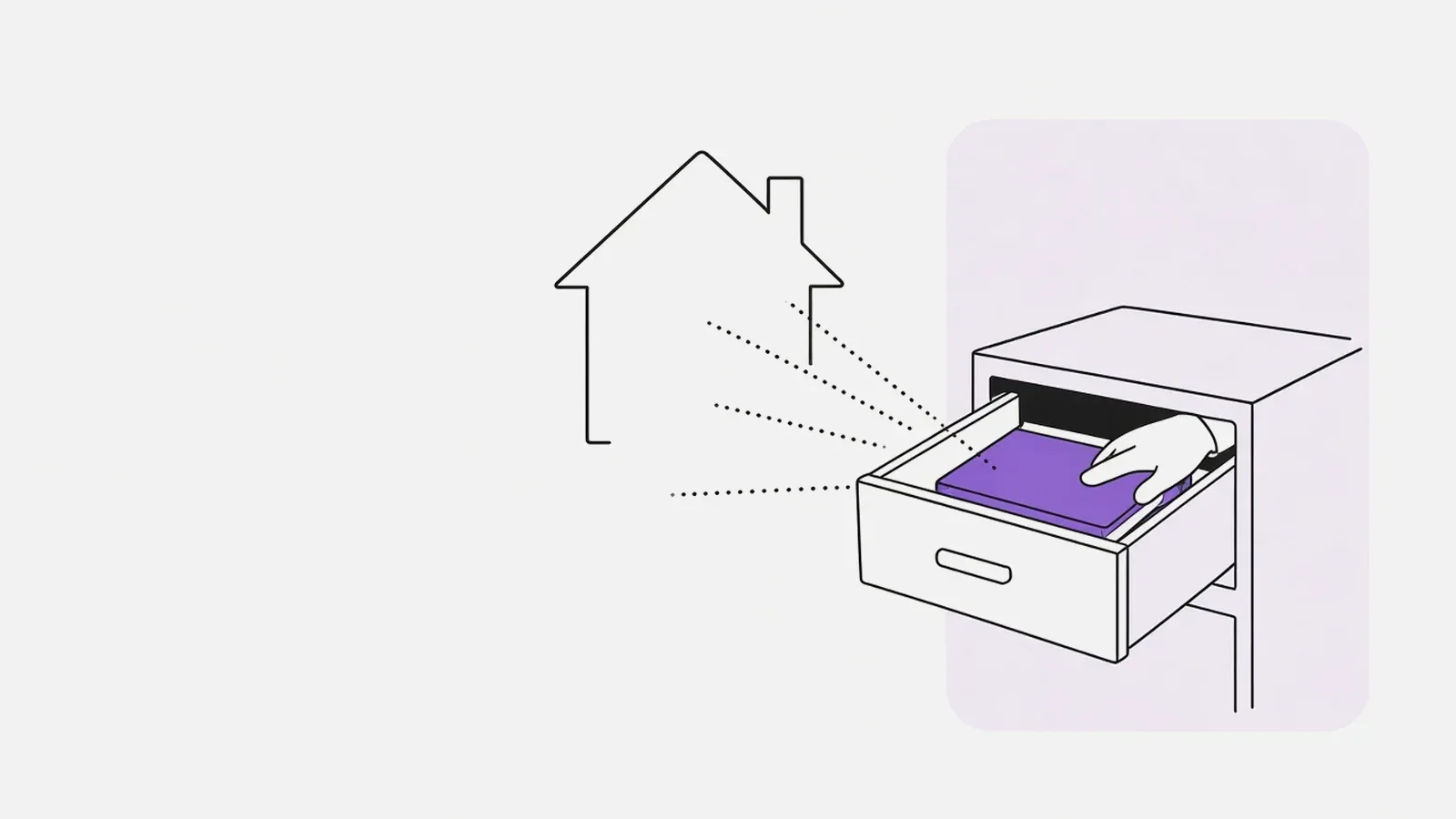
He thinks for a minute, then shows her a drawer in the study and a note on the computer. They take a photo of the outside of the drawer, not the contents, and she asks whether there's anything he would rather keep private until it was genuinely needed. There is: account access, a letter, and the document that explains the life insurance. Those don't go in the drawer. They can go in a vault that only reaches her if he stops being able to check in.
Nothing about the rest of the day has to change. They go back to leftover pie. The conversation took ten minutes, and it was specific rather than grim.
This is an illustrative scenario, not a real family.
What "the important stuff" can mean
You don't need a complete inventory at the table. A short list is enough to start:
- Where the household documents are kept: IDs, insurance, property and medical paperwork.
- How bills and key accounts are paid, and who the providers are.
- The place you'd look for a will or other instructions, if there is one. (Si Forte is not a will, and a vault is not a substitute for legal advice.)
- Who else already knows any of this.
- Anything that should stay private unless it's actually needed: passwords, account access, a personal letter.
The last group is the one that often gets stuck. People delay because they don't want to hand it over "just in case." They don't have to.
How a vault keeps you in control
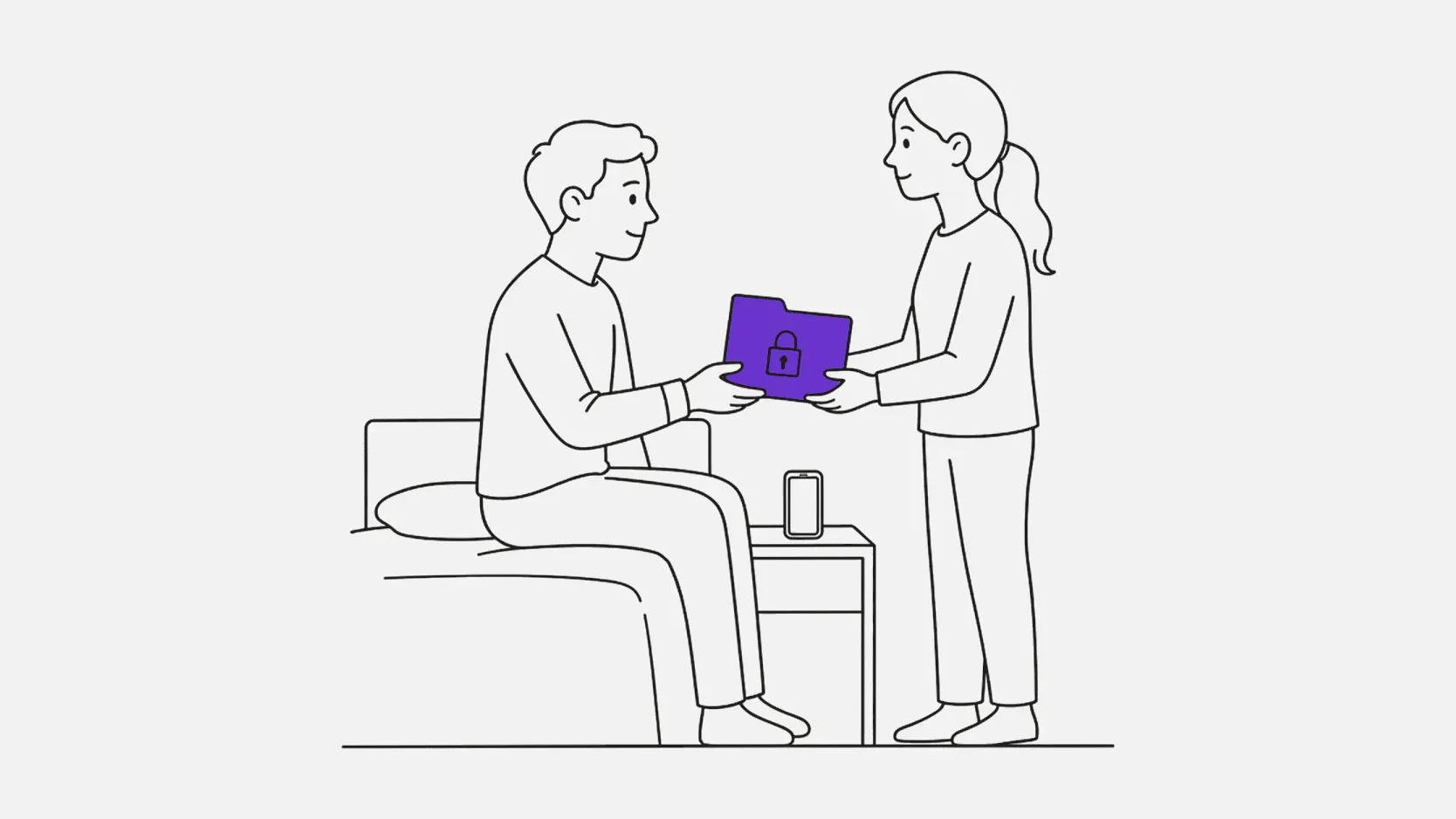
Si Forte stores messages, documents, passwords and other information in vaults. Each vault has recipients, the people who get access, and unlock rules, which decide when that happens. When a vault unlocks, its recipients are emailed access. Until then, the contents stay with you.
For this kind of household backup, a Persistent Vault (Basic and Pro) is usually the right fit. It unlocks after an inactivity period you choose, without a check-in. Opening the app or website, or tapping check in, resets the timer. You can also unlock a vault yourself if you ever want to share it on purpose, or lock it again.
A short message in the vault helps the person on the other side: what they're looking at, and what you'd like them to do first.
You stay in control. They get a starting point, not a dump of every password at the dinner table.
How to ask it this year
A few ways to raise it without making the conversation heavier than it needs to be:
- "I've been putting a few things in order at our house. Where would you want us to look if we ever needed to?"
- "I don't need passwords. I just want to know where the important paperwork lives."
- "If you're not ready to share the details, we could just agree on the place, or set up a vault that only opens if it's needed."
If you're the one who holds it all, you can go first. Show someone where your own starting point is. That often makes it easier for everyone else.
You don't have to finish the job over dinner. Agreeing on the question, and on a next step, is already more than most families do in a year.
After the plates are cleared
If people are traveling again later in the season, it's worth making sure someone at home also has the everyday trip details, like itineraries and where you're staying. We'll publish a practical guide on that shortly. And if you'd rather leave a letter or a photo for a date you choose, rather than for an emergency, a Time Capsule is built for that: it opens once, on the day you set.
For now, the useful work is smaller. Ask the question. Agree on where to look. Put the sensitive half somewhere it only reaches the right person if it's needed.
You can start a free Si Forte account whenever you're ready.